
Commission-free offer
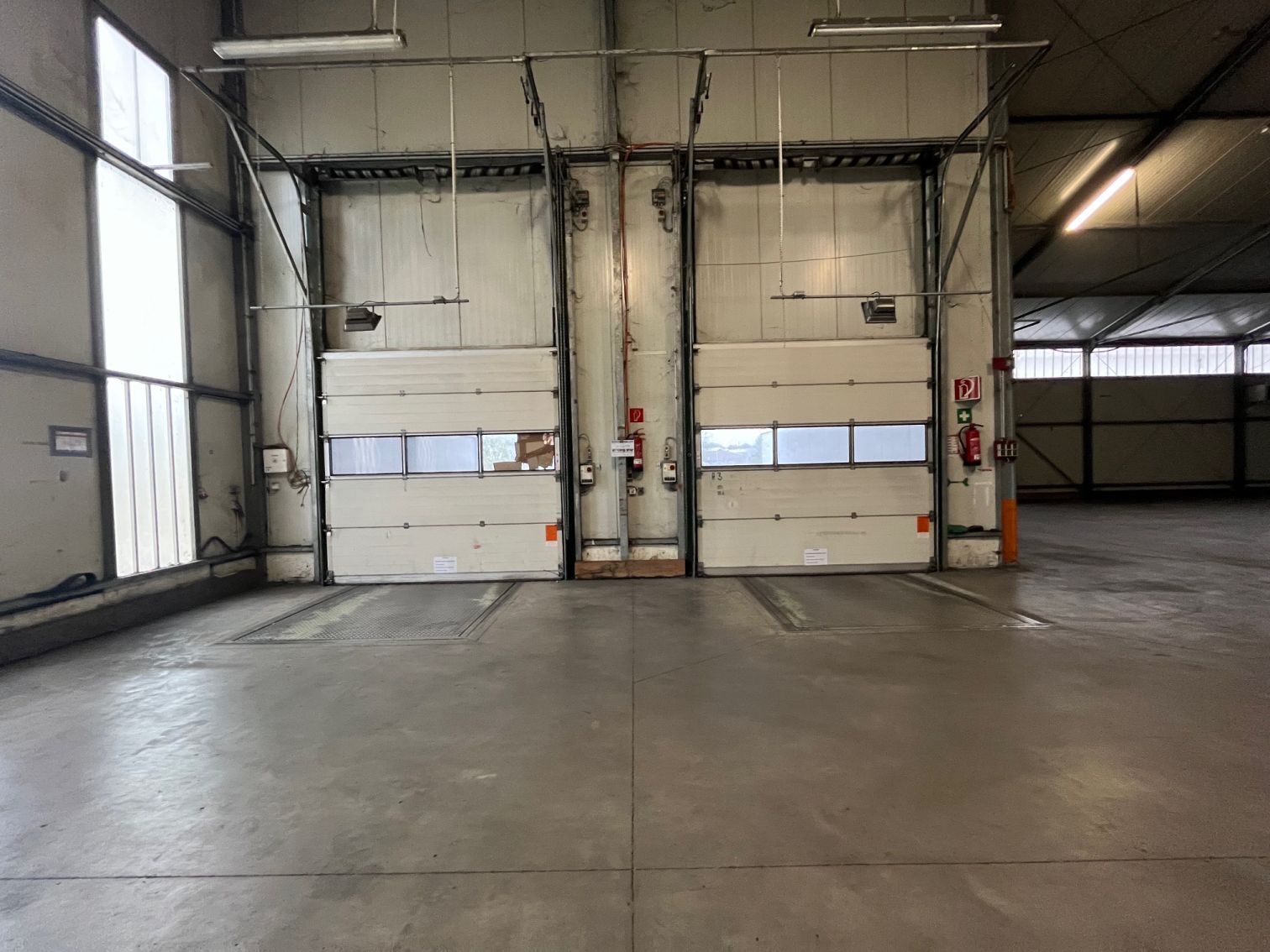
Kontraktlogistik in 47809 Krefeld mit 1.000 qm mieten
Object no.: 10205
Contract logistics
Warehousing (warehouse with management)
Germany
47809 Krefeld
2700 m²
Price on request

A coil on the forks looks straightforward in the photo. In the hall, what matters is whether the slab takes the narrow bearing and whether the forklift can set the piece down again without shifting its neighbours. Heavy goods logistics stores and moves parts that fall outside everyday pallet work: coils, machine beds, transformers, presses, plant components.
On LAGERflaeche.de you find space and warehousing. Floor load, crane and door size are in the listing. The heading “heavy goods” does not replace those three figures.

The spaces in this category. Pallet places on the card still say nothing about the crane or the floor. Both are in the listing.
Object no.: 10205
Warehousing (warehouse with management)
Germany
47809 Krefeld
Price on request
Object no.: 10192
Warehousing (warehouse with management)
Germany
97337 Dettelbach
Price on request
Object no.: 10190
Warehousing (warehouse with management)
Germany
72108 Rottenburg (Neckar)
Price on request
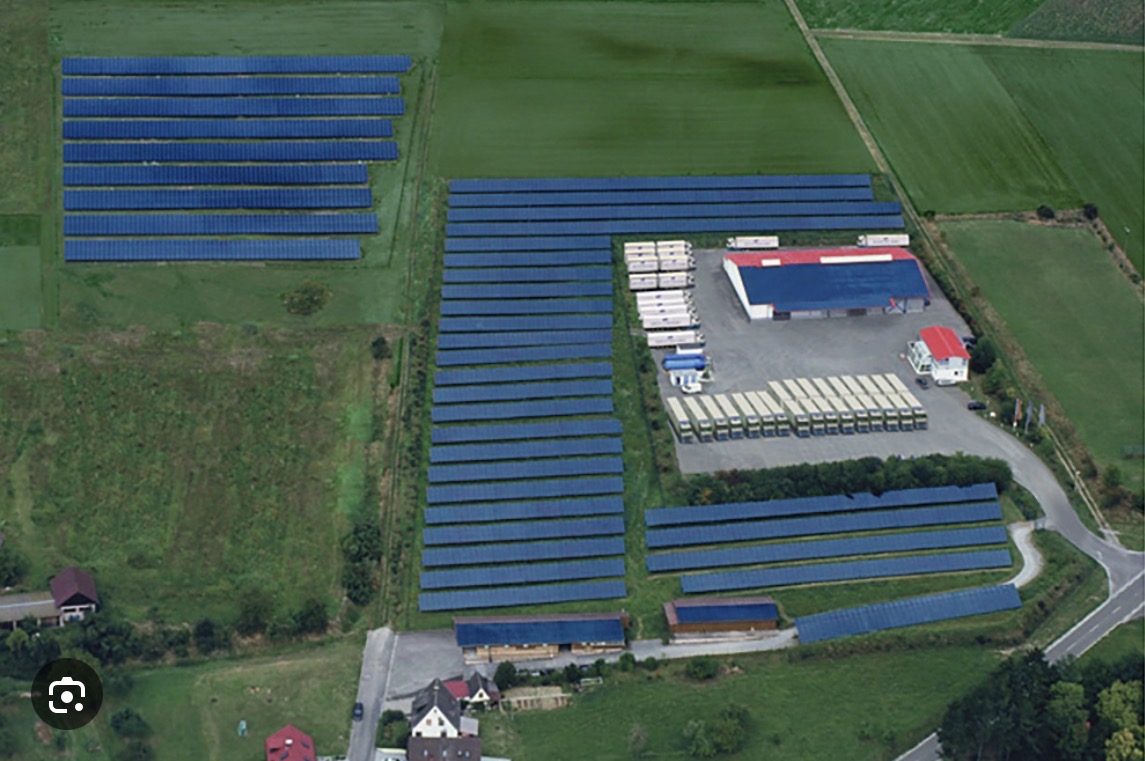
Object no.: 10172
Warehousing (warehouse with management)
Germany
97440 Werneck
Price on request
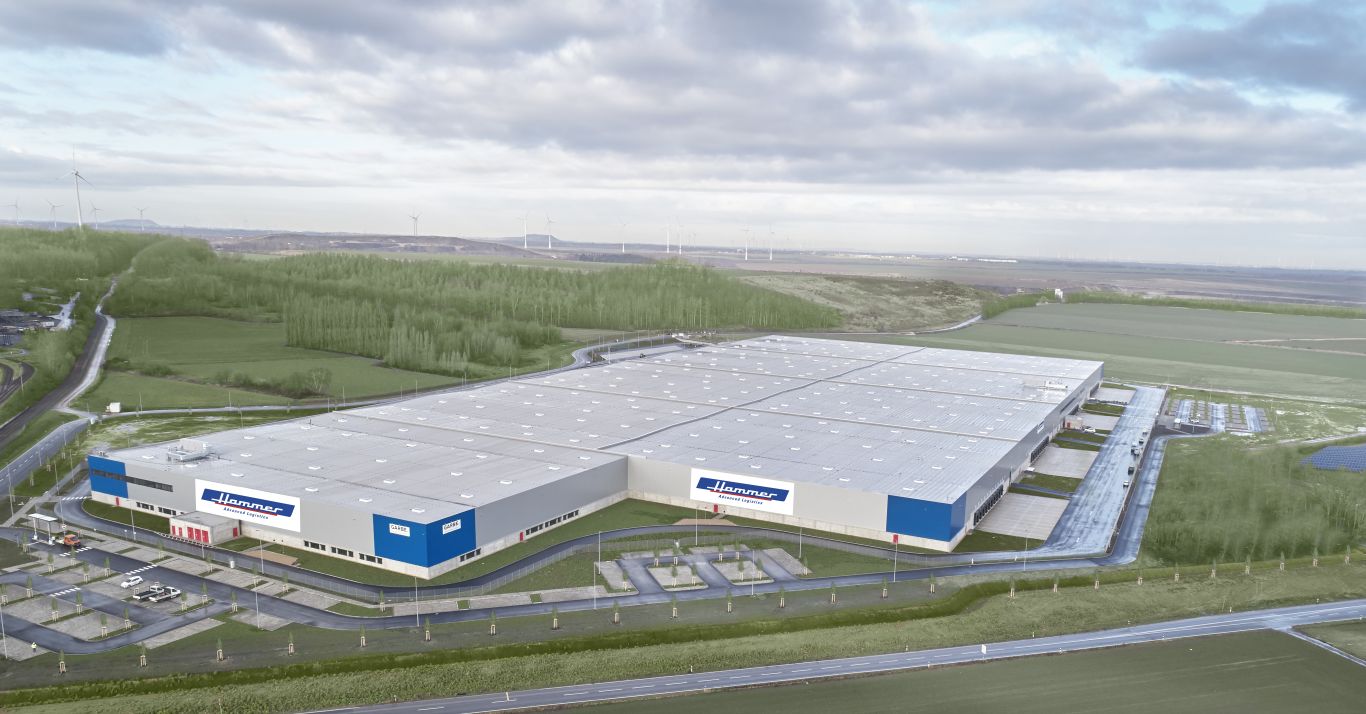
Object no.: 10171
Warehousing (warehouse with management)
Germany
52249 Eschweiler
Price on request
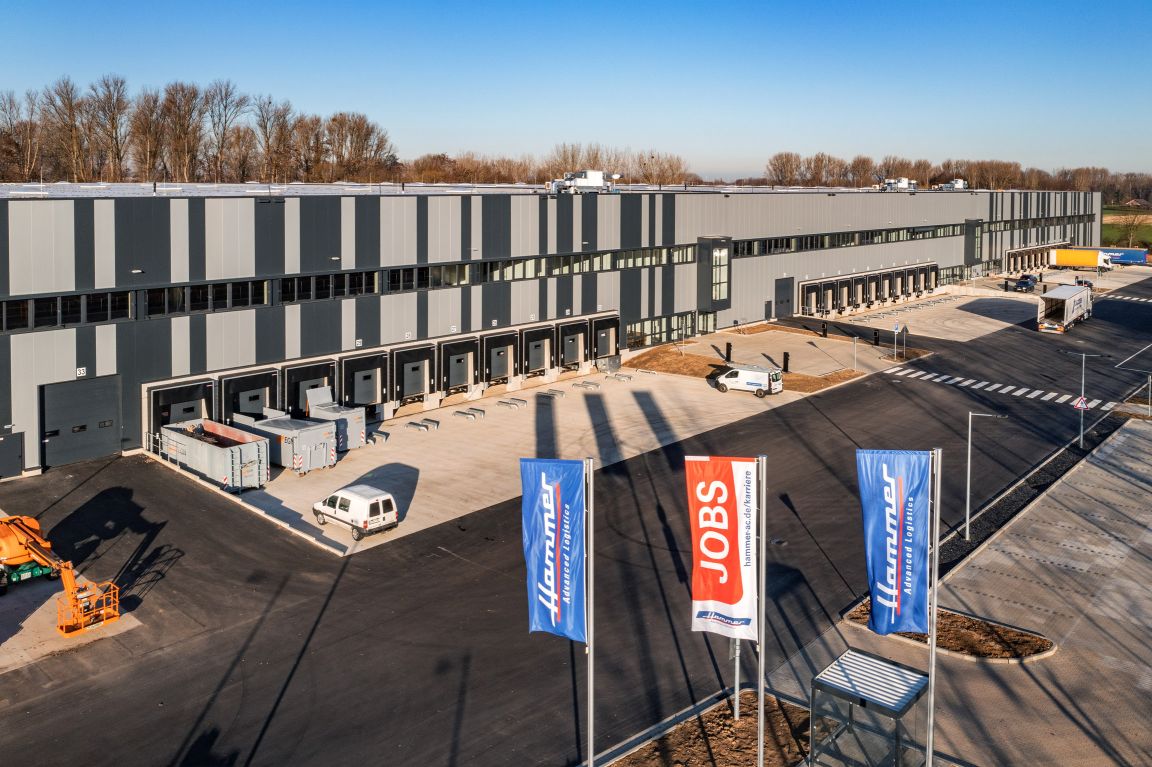
Object no.: 10170
Warehousing (warehouse with management)
Germany
52382 Niederzier
Price on request

Object no.: 10166
Warehousing (warehouse with management)
Germany
90471 Nürnberg
Price on request
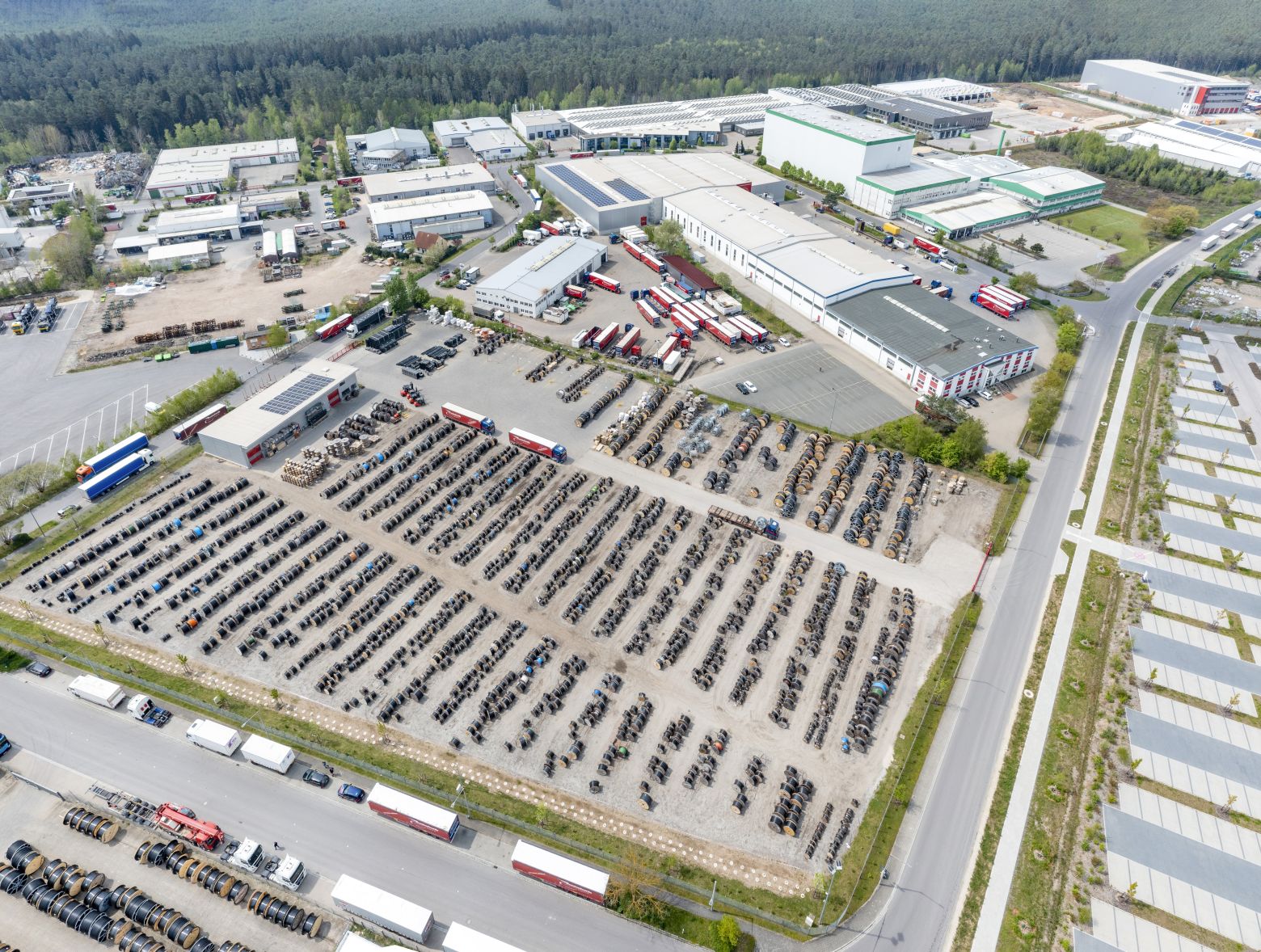
Object no.: 10164
Warehousing (warehouse with management)
Germany
91154 Roth
Price on request
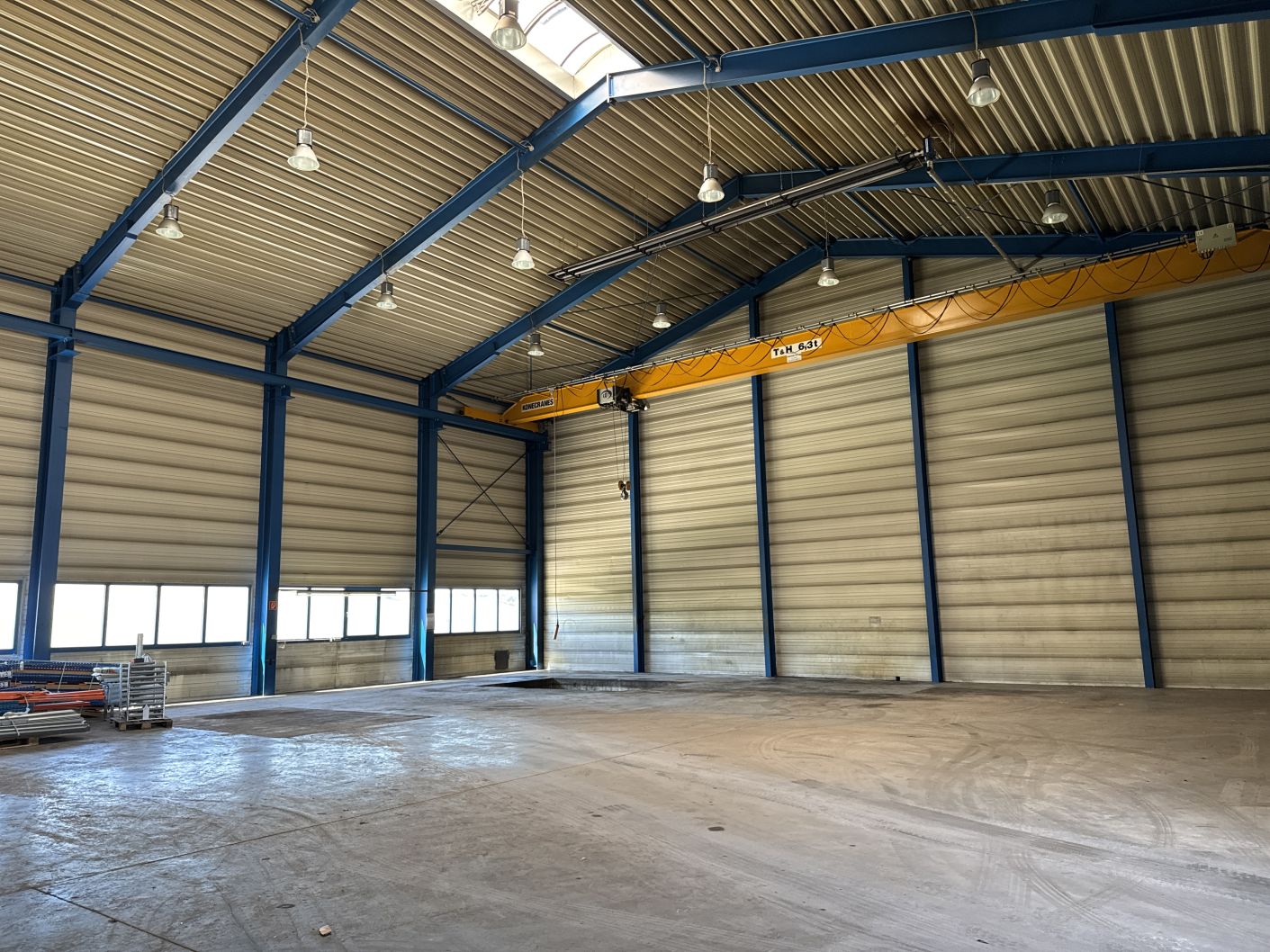
Object no.: 10162
Warehousing (warehouse with management)
Germany
89555 Söhnstetten
Price on request
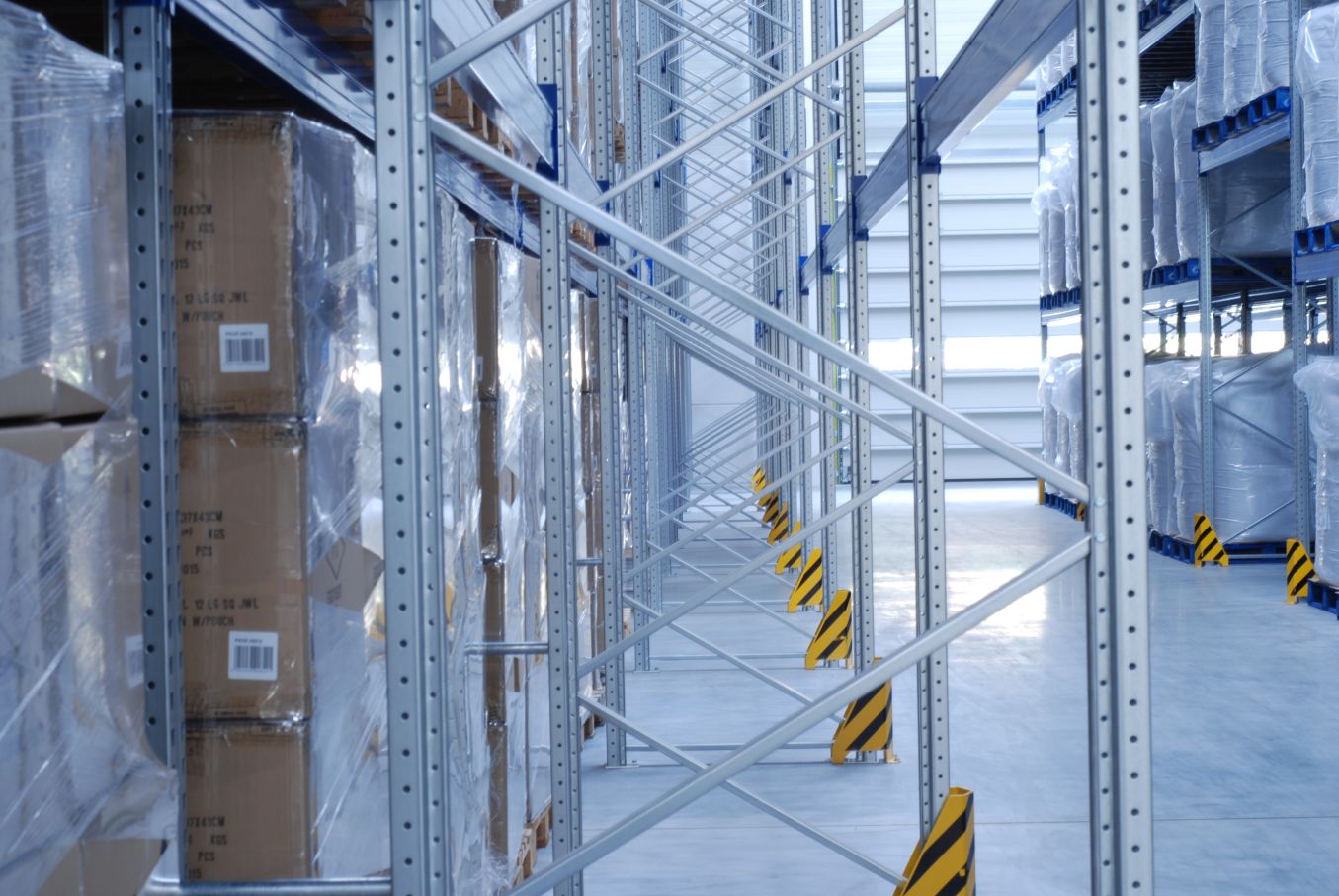
Object no.: 10153
Warehousing (warehouse with management)
Germany
84437 Reichertsheim
Price on request
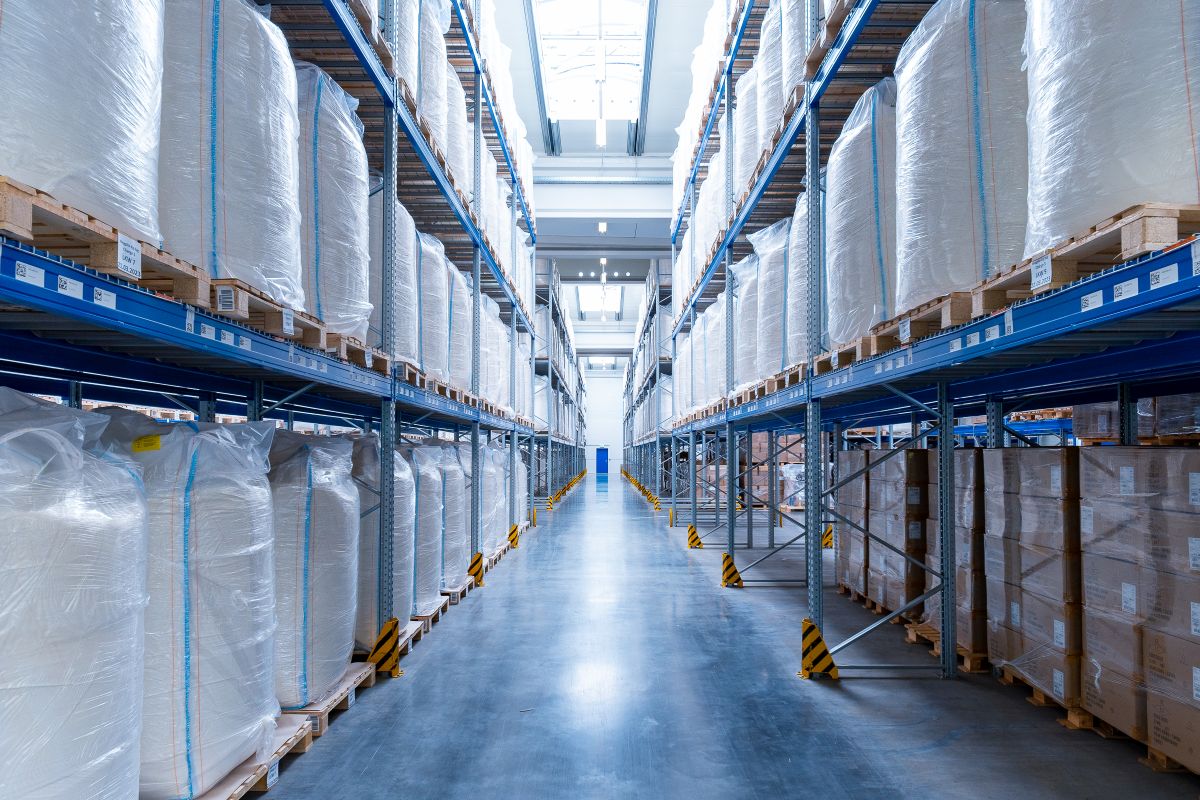
Object no.: 10152
Warehousing (warehouse with management)
Germany
84544 Aschau am Inn
Price on request
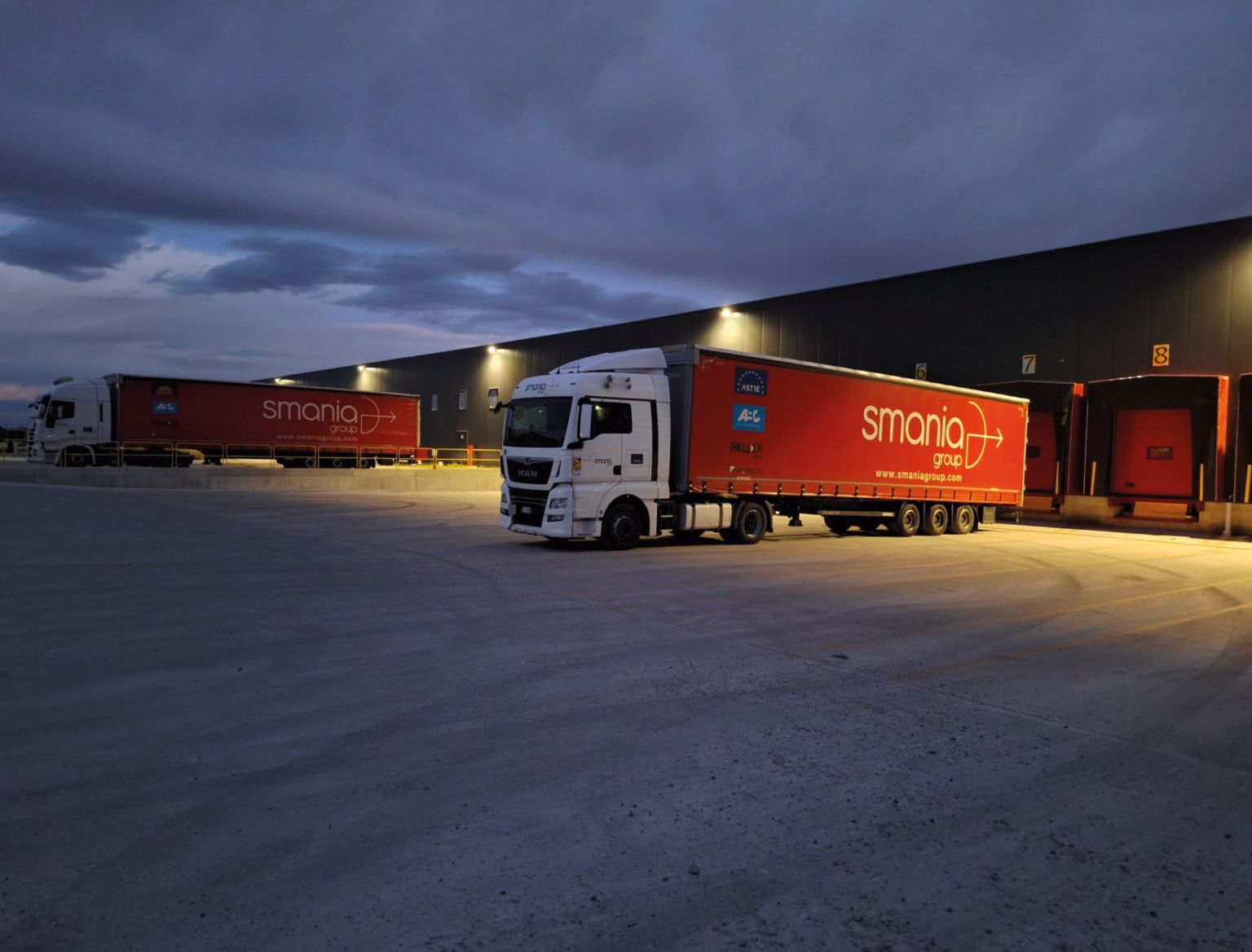
Object no.: 10124
Warehousing (warehouse with management)
Italy
31039 RIESE PIO X
Price on request
Take three figures with you before you drive out. If one is missing, you will see a hall and still not know whether your piece fits.
| What has to be in the listing | Why one figure is not enough | |
|---|---|---|
| Floor | Area load and, if stated, the point load | Tonnes per square metre apply to the area. A coil shoe or a machine foot presses on a small spot. |
| Crane or forklift | Hook load, or capacity at the load centre | A lifting beam, tongs and the distance of the centre of gravity come off the nameplate capacity. |
| Opening | Clear width and height, at ground level or over the dock | A piece that ends up in the hall still has to come through the door and off the vehicle. |
A bridge crane on the ceiling is one possible answer, not an entry ticket. Some pieces are moved by a heavy forklift. Some come off the low-loader only with a mobile crane, because the hall has no crane and does not need one. Whatever is there belongs in the listing: the load, and the height at which that load still applies.
Heavy goods are not a weight class from a statute and not a quality mark. In the warehouse it means a piece the house forklift and ordinary racking can no longer handle. Sometimes the weight, sometimes the size, sometimes both. A long, light section can fail at the door and leave the floor alone. That is oversized cargo, a different conversation.
Texts about heavy-goods warehouses like to promise cranes for several hundred tonnes. Plants like that exist, in large-scale plant construction and on some quays. On a marketplace they are the exception. A listing with the words heavy goods can be a hall with a stronger forklift. The warehouse type heavy-goods warehouse bundles the search. Capacity is only in the individual listing.
Coils, as in the photos on this page, are the common case: round, heavy, and they do not stand on a Euro pallet. Machine beds and generators come less often and stay longer. Both sit on the floor, in block storage or, when the surface can take it, on outdoor storage. Machined faces and electronics do not belong in the rain. High-bay racking is the wrong idea for these pieces, even when the hall is tall.

→ Mechanical engineering logistics
→ Building materials logistics
→ Automotive logistics
The first set-down almost always looks feasible. The forklift takes the coil off the truck, the hall is high, the floor looks solid. The next lift is the expensive one: shifting the piece because it blocks the way in, or lifting it because pre-assembly happens on the other side of the hall. Every lift needs equipment, someone on the sling and a clear path for the crane. Handle the piece twice and the floor was planned wrong.
A dock with a leveller is built for pallets. A low-loader with a frame stands at ground level. If the only way into the hall is over the dock, the piece stays outside, even when there is plenty of floor inside.
The road permit is not issued by the warehouse operator. The hall still has to be reachable on the day that permit names. In Germany, abnormal and heavy transports are applied for through VEMAGS. It often gets tight only at the last junction: the turning radius, a bridge before the gate, an overhead line, a tree. If the listing is silent on that, ask about the last delivery that was heavier than a normal articulated truck.
Someone shipping a piece often looks near a port, on this platform for example via Hamburg. Someone taking a machine bed to a customer in the south looks elsewhere, for instance in Baden-Württemberg or through the locations in Germany. The map does not check a bridge. It only shortens the list of halls worth a call.
Machine and plant builders, when a part is finished and the customer’s hall is not. Suppliers to the energy sector, for transformers and other large components. Steel trade, when coils do not only pass through but lie for a few weeks. Building-materials logistics is the neighbour for heavy goods that stack more readily. Mechanical-engineering logistics applies once pre-assembly belongs with the space.
A pallet warehouse with a stronger forklift does not become a heavy-goods warehouse through the forklift alone. The truck can lift. The floor and the door have to come with it.
LAGERflaeche.de does not operate the halls. The cards often show pallet places, because that field is filled on most listings. For a coil it is the wrong unit. Read alongside:
If the load is missing, the listing is an address. If none of the published spaces fits, name the piece weight, the dimensions, the centre of gravity and the region in a search request.
View heavy-goods warehousesRequest a logistics solution
This page does not name a price per lift. The table takes its ranges from the article Warehouse prices in Germany 2025. They apply to an ordinary hall and an operated pallet warehouse, not to the lift and not as the price list of the spaces on this page.
| Warehouse type | Guide | What the figure means |
|---|---|---|
| Storage hall, top regions such as Rhine-Ruhr, Frankfurt, Munich, Hamburg, Berlin | €5.50–€7.50 per m² per month | Hall rent. Premium locations can sit above that. |
| Storage hall, secondary locations | €4.00–€5.50 per m² per month | Rent for a dry hall. |
| Pallet warehouse with operation | €15–€30 per pallet place per month | Warehousing, plus handling. The wrong unit for a coil. |
| Crane, heavier slab, heavy forklift | on request | Not inside the hall range. The source publishes no surcharge. |
What else sets the invoice depends less on the rent per square metre:
| Item | What it depends on |
|---|---|
| Space | Square metres, location, and whether the crane and the slab are already in the rent. |
| Lift | Equipment, a slinger, and every extra handling the layout forces. |
| Road | The permit, an escort, the time window at the gate. |
| Dwell time and pre-assembly | Days on the floor. That is different from one night beside the truck. |
Compare two offers against the same load and the same door size. A cheap square metre without a suitable lift is often the longer route for a coil.
The euro figures in the table come from the article named above. They describe ordinary halls and standard warehousing, not the lift. VEMAGS is Germany’s nationwide application system for abnormal and heavy transports.
A piece the ordinary hall forklift and ordinary racking can no longer carry, or get through the door. That can be the weight, the size, or both. There is no fixed tonne limit. Several hundred tonnes on the hook are a special case, not another word for heavy goods in a listing.
It says what the area can take when the load is spread out. A coil on a narrow support, or a machine foot, loads a point. If the listing states only the area load, ask for the point load before the piece is set down.
No. A heavy forklift moves some pieces, a mobile crane from outside moves others. The crane on the ceiling helps when a piece is shifted often. What matters is whether the stated load still applies at the height you work at, once the lifting beam and the slings are counted off.
The dock leveller is built for pallets and forklifts. Heavy frames arrive on a low-loader and need to enter the hall at ground level. If the only opening is the dock, free floor inside does little.
In the list on this page. Pallet places are the field almost every listing fills in. For heavy goods, read the crane, the floor and the door alongside them. If the load is missing, the entry is not yet a decision. A search request helps when you name the piece weight, the dimensions and the region.
West
Rent a production hall in Frankfurt
Warehouse in Cologne
Industrial warehouse in Saarbrücken
South
Find Logistics Space in Munich
Storage Space in Nuremberg
Logistics Hall in Stuttgart
Rent Warehouse in Freiburg
Rent Warehouse Space in Italy
Logistics Hall in Austria
Storage Space in the Netherlands
Warehouses in France
Search Storage Space in Poland
Renting halls in Switzerland
Find logistics premises in Belgium
Storage in Bulgaria
Renting warehouses in the UK
Search for warehouse properties in Croatia
Logistics warehouses in Romania
Logistics centres in Russia
Search for warehouse locations in Slovenia
Rent warehouse space in Slovakia
Logistics property in Spain
Find storage space in Hungary
Rent a warehouse in the Czech Republic
Storage facility in Denmark